Introduction
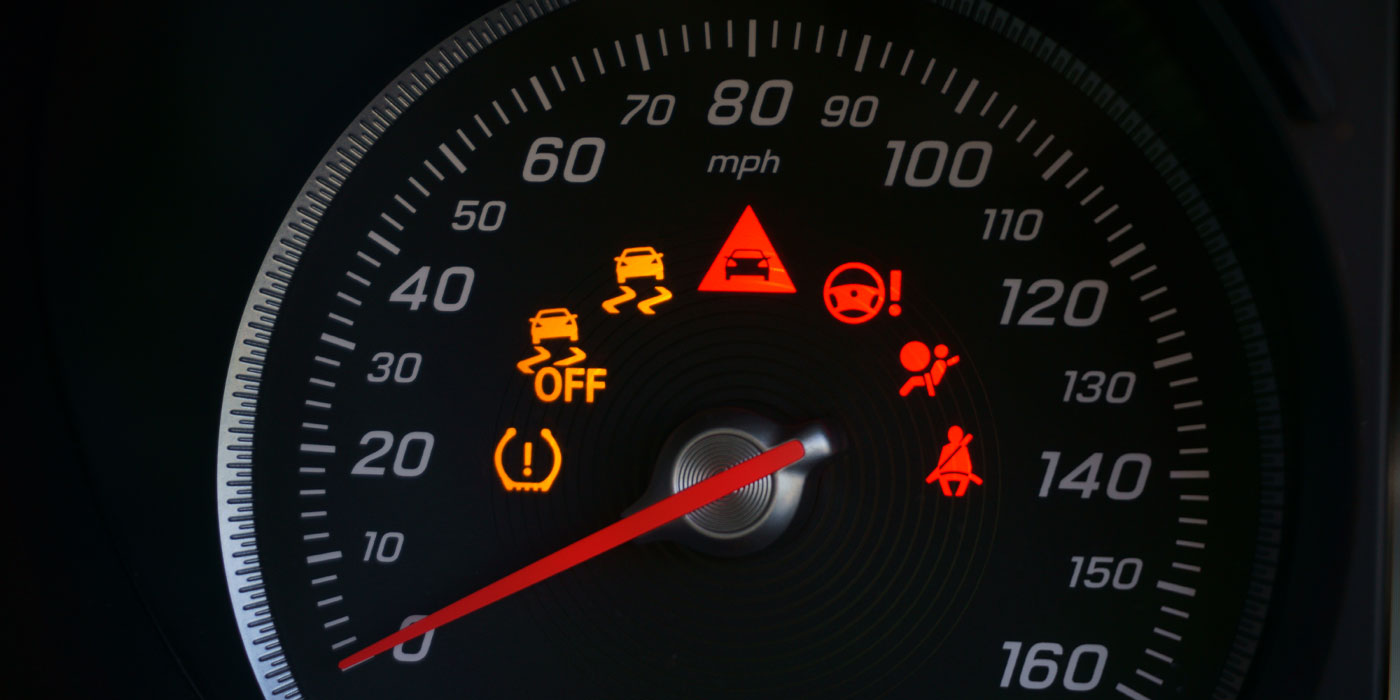
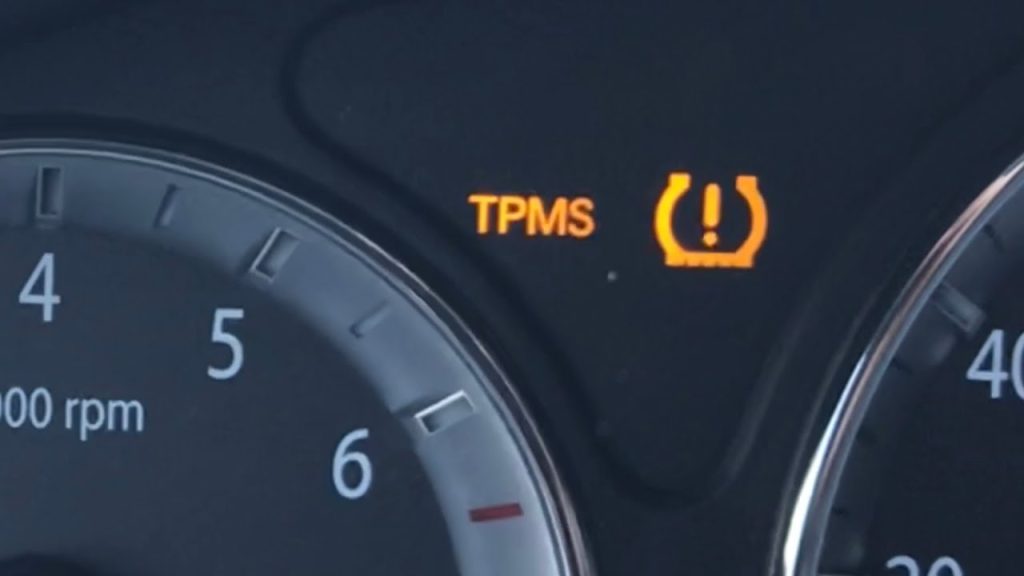
What does that little yellow light in the shape of a horseshoe with an exclamation point on your dashboard mean? That’s the TPMS light — a warning sign that your car’s tires might need some attention. This could be something as benign as bad handling and decreased fuel efficiency, but it could also be a blowout.
What Is TPMS?
TPMS stands for Tire Pressure Monitoring System. It’s a slick safety feature, as any canny motorist will tell you: one or more of your tires being under inflated. Proper tire pressure can save money and reduce wear on the tread of a tire, as well as improving the safety element when driving.
Why the TPMS Light Comes On
Low Tire Pressure
The number one cause your TPMS light comes on is because you have low tire pressure. This may be due to slow leak, puncture or natural air loss during the haul.
Sudden Temperature Drops
A sudden change in temperature can cause the air inside your tires to contract, reducing pressure and causing the TPMS warning to illuminate.
Faulty TPMS Sensor
Age, corrosion and damage can lead to degradation of sensors. The sensor is faulty if it does not output readings at all, or its readings are sent falsely.
Battery Failure in Sensors
Each TPMS sensor is fueled by a tiny battery. But when the battery eventually dies (usually 5 to 10 years in), the system can no longer do its job of keeping an eye on your tires.
Types of TPMS Systems
Direct TPMS
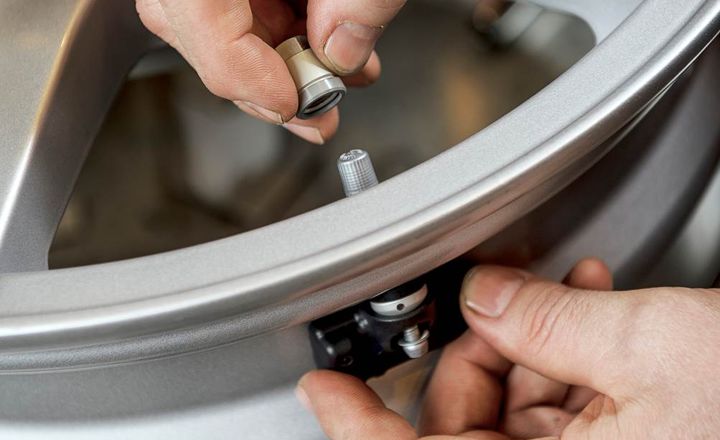
This system has sensors in individual tyres to monitor air pressure. It does provide you with a precise readout, and shows pressure status immediately in low-pressure situations.
Indirect TPMS
Wheel-speed sensors are used to check tire-spin discrepancies which indicate low pressure rather than measuring pressure directly.
How to Tell if Your TPMS Warning Light is On or Not
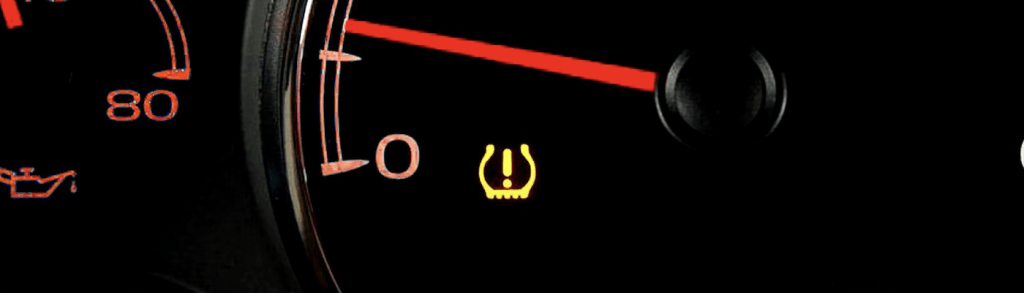
The TPMS tread icon is displayed as an upturned yellow horseshoe with an exclamation point in it.
- Solid Light: A tire is significantly low on pressure or there are one or more under inflated tires.
- Flashing Light: Something isn’t right – system failure or sensor error.
When the Sensor Light Comes On: Step-by-Step Fix

Step 1: Check Tire Pressure
Use a tire-pressure gauge to measure the tire pressure in all four tires. Compare this to your manufacturer’s recommended PSI (typically found in the owner’s manual or a label on the door jamb).
Step 2: Reinflate the Tires
Add air to reach the recommended air pressure in all tires. There are practically air pumps with gauges at gas stations.
Step 3: Reset the TPMS System
After you’ve set the pressure, you will likely need to reset your system in order for that warning light to turn off.
How to Reset TPMS Light
For Push-Button Start Cars
- Do not turn the car on, but rather into the “on” position.
- Press and release the TPMS reset button three times, then long-press it until the light blinks three times.
- Pull start the engine and allow it to run for a couple of mins to warm up so that light will go off.
For Key Ignition Vehicles
- Insert the key and turn to ON.
- Hold the reset button (which can often be found near the steering wheel or on it) for 10 seconds.
- After 10–15 minutes driving at 50 mph, your reset is done.
Common TPMS Problems and Fixes
Sensor Replacement
If a sensor is bad or dead, it must be replaced. The new sensor can be installed and programmed by any shop mechanic.
System Recalibration
Some cars require ECU to be set after new tires installed/replaced. Refer to your owner’s manual for instructions.
Software Updates
Some newer vehicles may need a software update after receiving incorrect TPMS readings or if there’s an issue with the system.
Is It Safe To Drive with the TPMS Light On?
Yes, but it’s not recommended. The TPMS light is on: Continue driving if the TPMS warning light is lit and you continue driving, this means your tires are significantly underinflated — at least 25%. They are thus also leading to negative effects in terms of handling, braking, even fuel consumption. Tire bursts can also result due to very long-term neglect.
How Cold Weather Affects TPMS
Tire pressure can be affected by the cold as well, because the air in your tires will also contract when it is cool. This can lead to false TPMS alerts during early morning winter. Do this and topping the cold when you drive on dangerously under-inflated tires is a lot less likely.
TPMS Light Blinking vs Solid: What’s the Difference?
- Blinking Light: This is an indication of system failure — dirty sensors, low battery.
- Solid Light: There are one or more tires that are under-inflated.
How Much to Fix TPMS Light?
- Sensor Replacement: $50–$250 per tire
- Reprogramming or Reset: $30–$75
- Replace All System: $600 (depending on your type of vehicle)
How to Prevent TPMS Issues
- Check tire pressure monthly
- Avoid stepping on big potholes to protect the sensors
- Get regular tire maintenance
- Replace sensors every 5–10 years, or when the battery fails
Is It Safe to Drive with TPMS Light On?
It may not seem like much to ignore the TPMS light, but you can really undermine your control of the car and affect its fuel economy as well as tire wear. Never take this lightly — address it at the source as soon as you can and provide yourself protection on the road.
Conclusion
The TPMS Reminder Light is not something you can afford to overlook. It’s in your car’s nature to tell you something needs your attention. Whether it’s low pressure, or a bad sensor that’s to blame, speed can save money and the life of a tire — and potentially keep you from having an accident.
“Your tires are the one part that separates you from the road and keeps you connected,” said Matt Edmonds, vice president of Tire Rack.
FAQs
My TPMS light is still on even after I filled my tires with air?
It might need a manual reset or you have a sensor that is bad.
Do TPMS sensors wear out?
Kind of — sensors wear out or deplete their battery life after 5 to 10 years.
Do all cars have TPMS?
It’s been mandatory for US-sold vehicles to have TPMS since 2008.
Can you disable the TPMS light?
No, but a mechanic can figure it out and fix it so that you can pass inspection.