Understanding What a Cavity Really Is
A cavity is a permanently damaged area in the hard surface of a tooth that develops into a tiny hole or opening. It is caused by tooth decay, a process that occurs when bacteria in the mouth produce acids that gradually wear away the enamel. Many people think cavities are always painful, but in reality, they often develop silently. Knowing what a cavity looks like can help you identify early warning signs before the problem becomes severe.
Cavities do not appear overnight. They form slowly over time, and their appearance changes as the decay progresses. Learning to recognize these visual changes can make a big difference in protecting your teeth.
Early Stage: White or Chalky Spots on the Tooth
In the earliest stage, a cavity may not look like a hole at all. Instead, you might notice a white, chalky spot on the surface of the tooth. This is a sign that minerals are being lost from the enamel due to acid attacks from bacteria.
At this point, the damage is still reversible with proper oral care and fluoride treatment. Many people overlook this sign because it does not cause pain and may be difficult to see without close inspection.
Light Brown or Yellow Discoloration
As the enamel continues to weaken, the white spot may turn into a light brown or yellow stain. This discoloration indicates that the enamel has begun to break down and decay is progressing deeper into the tooth.
These stains often appear in grooves on the chewing surface, between teeth, or near the gum line. People sometimes mistake them for food stains, but unlike surface stains, these marks do not disappear with brushing.
Visible Dark Spots or Tiny Holes
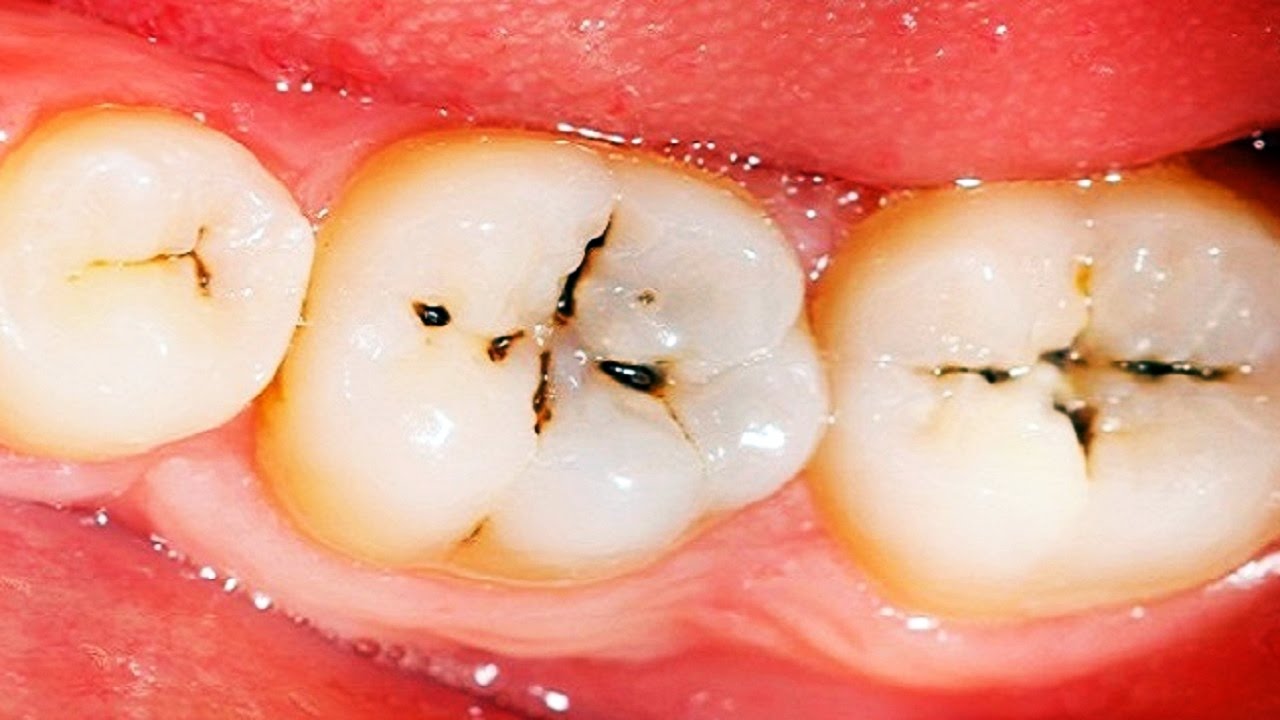
When decay advances further, you may begin to see small black or dark brown spots. This is often the first time people realize something is wrong. The surface of the tooth may look pitted or rough instead of smooth.
At this stage, the cavity may form a tiny hole that can be felt with the tongue. This hole allows food particles and bacteria to get trapped, worsening the decay.
Cavity Between Teeth
Cavities are not always visible from the outside. Many develop between teeth where brushing cannot easily reach. In these cases, you might not see anything unusual, but flossing may reveal roughness or bleeding gums.
Dentists often detect these cavities using X-rays because they are hidden from plain sight.
Cavity Near the Gum Line
Cavities can also form near the gum line, especially in people with receding gums. These cavities may appear as dark lines or notches close to where the tooth meets the gum. They are sometimes mistaken for gum problems rather than tooth decay.
Changes in Tooth Texture
A healthy tooth feels smooth when you run your tongue over it. A cavity, however, creates a rough or jagged texture. You may notice that food gets stuck in a specific area repeatedly, which is often a sign of a developing hole.
Advanced Stage: Larger Holes and Structural Damage
In advanced cases, the cavity becomes clearly visible as a larger hole in the tooth. The surrounding enamel may look broken, and the tooth structure may appear weakened or chipped.
At this point, pain, sensitivity, and infection are likely to occur because the decay has reached the inner layers of the tooth.
Sensitivity as a Visual Clue
Although sensitivity is not something you see, it often accompanies visible signs of a cavity. If a particular spot on your tooth hurts when you eat sweets, drink cold beverages, or chew food, there may be a cavity in that area.
How Cavities Look on Different Teeth
- Front teeth: Often appear as dark spots or stains near the edges or gum line
- Molars: Usually show decay in deep grooves and pits on the chewing surface
- Between teeth: Not visible but may show gum irritation or floss catching
Why Cavities Can Be Hard to Notice
Cavities develop slowly and may not cause pain until they become severe. Their early appearance can be subtle, making them easy to ignore. This is why regular dental check-ups are essential for early detection.
When to See a Dentist
If you notice discoloration, rough spots, holes, or persistent sensitivity, you should see a dentist as soon as possible. Early cavities can often be treated with simple fillings, but advanced decay may require more complex procedures.
Preventing Cavities Before They Appear
Understanding what a cavity looks like helps you stay alert, but prevention is even more important. Brushing twice a day, flossing daily, using fluoride toothpaste, and reducing sugary foods can greatly reduce the risk of cavities.
Regular dental visits allow professionals to spot early signs that you might miss at home.
Conclusion
Knowing what a cavity looks like gives you the power to detect tooth decay before it becomes painful and expensive to treat. From white chalky spots to dark holes and rough textures, cavities show visible signs at every stage. Paying attention to these clues and maintaining good oral hygiene can protect your teeth and keep your smile healthy for years to come.