Advanced economies are built on and depend on various sectors, and so does every other economy on the planet, no matter how basic. But what does the expression “slice of the economy” mean? In the simplest terms, it means a portion of a country’s wealth, industries, and employment. Slices, in this context, refer to the portions of a pie, and the pie is the global economy.
When we understand the economic slices, we understand cash flows, the dynamics of various industries, and the means of people’s livelihoods. Each slice deserves a more in-depth evaluation so we can understand how it contributes to the economy.
The Concept of an Economic Slice

A slice of the economy refers to a part of the entire economic framework, focusing on a certain type of goods, services, or activities. For instance, the agriculture, manufacturing, and technology sectors are each slices of an economy, and together they contribute to the economic growth of a nation.
Each slice of an economy engages with one another, and together they form a web of interlinked sectors. The growth or decline of one sector has a domino effect, influencing the entire economy.
How Slices of the Economy Are Structured
The economy has conventionally been divided into three primary slices:
- Primary Sector – Natural resources are extracted (e.g., farming, mining, and forestry).
- Secondary Sector – Goods are manufactured and processed.
- Tertiary Sector – Services are provided (e.g., banking, healthcare, and retail).
Nonetheless, with changes in the world, new slices, like the quaternary sector (the knowledge economy), are emerging due to the sophistication of data, research, and technology.
Primary Sector: The Foundation
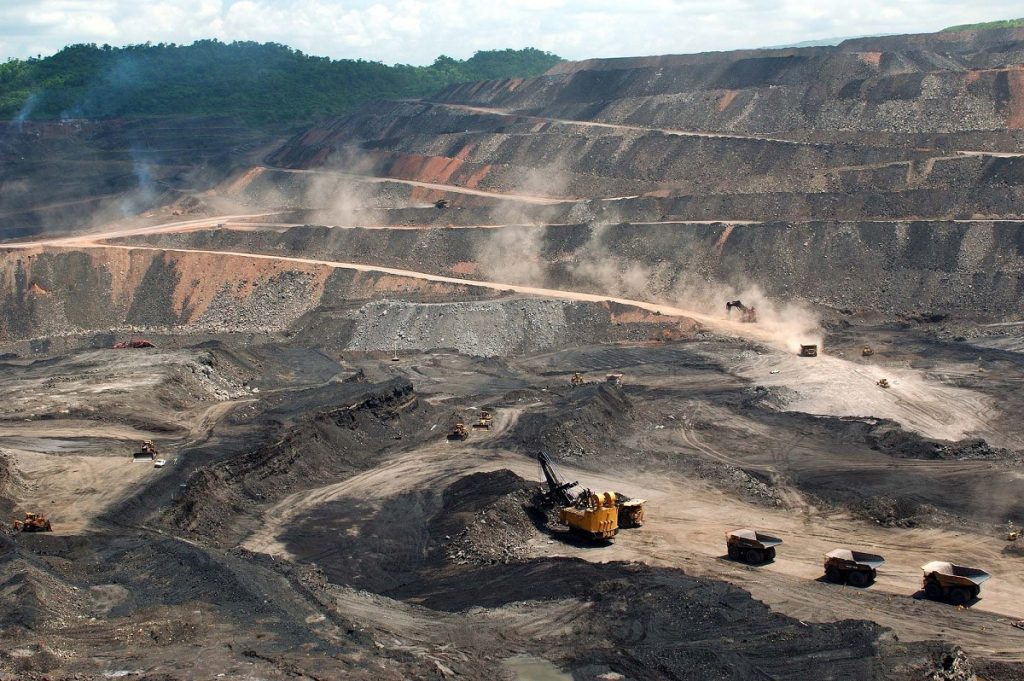
This slice is the base of all economies. The activities of agriculture, mining, fishing, and forestry provide the fundamental resources that will be transformed in the industries.
- Agriculture serves to sustain and feed a population and also enables a country to export certain goods.
- Mining is key for primitive resources necessary for construction and technology.
Developing nations still depend on this sector for job provision and contribution of GDP, even if it has been automated.
The Manufacturing Slice of the Secondary Sector
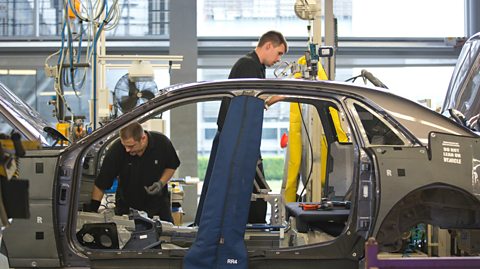
This secondary slice of the economy processes primary materials into finished products — cars, textiles, constructions, and electronics, among others. This slice also fosters industrialization, creating millions of employment opportunities and contributing to increased productivity.
Rapid economic development is almost always associated with a well-established base of manufacturing. The remarkable industrialization of nations, such as China, Germany, and South Korea, is a case in point.
The Service Slice of the Tertiary Sector
The service sector of the economy continues to grow at the fastest rate of the four aggregate sectors. Services encompass healthcare, education, finance, information technology (IT), and retail, among others. The service sector also increases employment opportunities and augments the other sectors of the economy through specialization and orchestration.
The advent of digital information technologies has made most services borderless. Companies can provide remote customer support, and online consulting, and other services to clients in other countries.
The Quaternary Sector
The quaternary sector comprises research, data analysis, and information technology services. This sector is largely innovative and powered by digital technology.
This sector forms the economy’s prospective areas of growth as knowledge and technology replaces physical goods as the primary drivers of productivity.
The Global Slice of the Economy
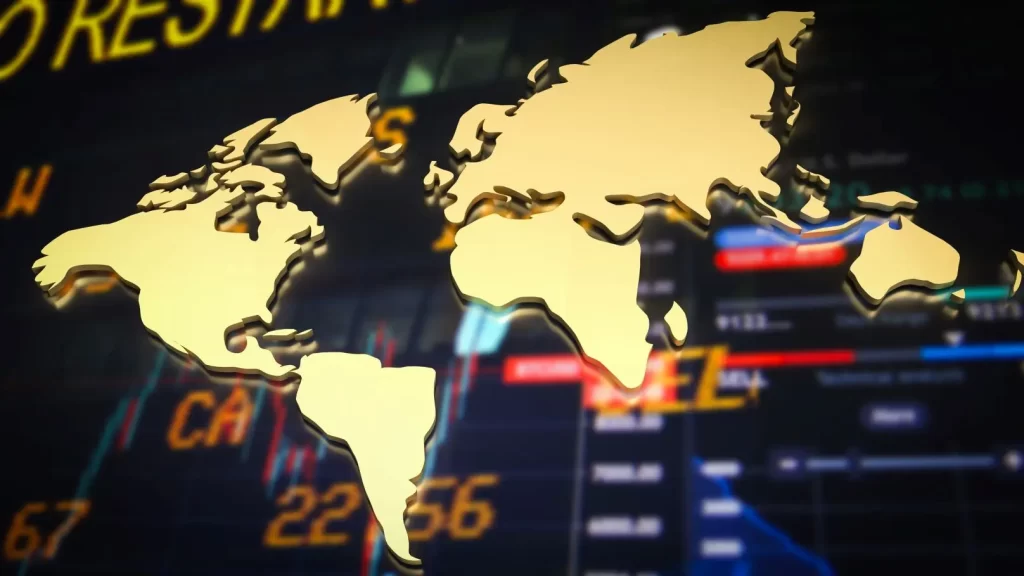
The 21st century is marked by the phenomenon of interconnected economies. A farmer located in India, a software engineer based in the United States, and a miner in Africa are intermediaries of a global supply chain. When one country is having economic troubles, the others are bound to experience repercussions.
The complexities of globalization guarantees that no slice functions in isolation. There is a complex international network for every product or service.
How Inflation Affects Each Slice
Inflation, which is defined as a general increase in prices and a fall in the purchasing value of money, affects every slice in the economy differently:
- Primary sector: Rising costs of seeds, fuel, and fertilizers
- Secondary sector: Increased production
- Tertiary sector: Increased service rates, and higher costs of labor
Having a clear understanding of the possible consequences of an economic phenomenon helps the policymakers come up with well-balanced economic policies intended for protecting the different economic agents.
Technology’s Impact on Economic Slices
Technology and technological advancements are reshaping every sector of the economy. In agriculture, technology is enabling precision farming, while in finance, technology is used for AI-driven analytics. Digital tools increase efficiency and lower the probability of mistakes.
Over automation of certain fields alters job opportunities, but also, provides new ones in IT, e-commerce and cybersecurity.
The Role of Small Businesses
The heart of most economies comes from small to medium enterprises (SMEs). They collectively account for a significant slice of the GDP, innovate, create, and strengthen the local communities and economies even if they occupy small slices.
The Labor Market: The Human Slice
No slice operates without people. The labor market reflects the human element of the economy — the skills, creativity, and effort that drive progress. With the growth of new technologies, the demand for digital and analytical skills expands. In a rapidly changing economy, adaptability is the most important survival skill.
Government Policies and Economic Slices
Through taxes, subsidies, and regulations, governments influence economic slices. Economic policies determine the flow of money, which industries grow, and which die. Targeted investments in education, innovation, and infrastructure helps to assist governments to enhance equitable growth across all slices of the economy.
Challenges Facing Modern Economies
The modern economy is confronted with the following compelling challenges:
- Income inequality which widens economic gaps and increases socio-political instability
- The loss of low-skill jobs through automation
- Unsustainable practices that fuel the impacts of climate change
Addressing these challenges will require innovative thinking and a commitment to equitable growth across all slices of the economy.
Conclusion
Agriculture, Artificial Intelligence, and every economic activity in between contribute in various degrees and ways to economic and social development. The socio-economic importance of each segment helps individuals, firms, and government understand the relative importance of segment to social and economic development. The developments across socio-economic segments contribute to the overall economic sustainability and health.
FAQs
What are the main slices of an economy?
There are three main segments of an economy; the primary sector (raw materials), the secondary sector (manufacturing), and the tertiary sector (services) with the more recent quaternary sector centered around information and knowledge.
How do global trends influence economic slices?
The global patterns of trade, technology, and globalization influence economic segments and slices by altering the distribution of labor, capital, and resources.
Why is diversification important?
Economic slices offer limited diversification which raises the risk. High risk economic segments increase the impact of global economic changes.
How can individuals impact their economic slice?
Entrepreneurs, innovators, and those who upskill contribute greatly to economic development of their country by their slice of the economy.
What is the future outlook of economic distribution?
Digital economy, green economy, and knowledge economy are the activities expected to shape the future of global economic distribution.